
Warehouses are busy environments where forklifts, loading docks, conveyors, pallet racks, and manual material handling all create potential safety hazards. Without proper training and safety procedures, these hazards can result in injuries, damaged products, lost productivity, and OSHA citations.
This guide explains OSHA warehouse safety requirements, common warehouse hazards, warehouse safety best practices, and training topics that can help employers create a safer workplace.
Why Warehouse Safety is Important
Warehouses are busy environments with constant movement. Forklifts travel through aisles, employees move materials by hand, trucks load and unload at dock doors, and products are stacked on pallet racks overhead. When safety procedures aren’t followed, even routine tasks can lead to struck-by incidents, falls, caught-between hazards, or lifting injuries.
A good warehouse safety program focuses on finding hazards before someone gets hurt. That includes routine inspections, employee training, equipment maintenance, and written safety procedures that employees can follow every day. These practices not only help reduce injuries, but also support OSHA compliance and keep warehouse operations running safely.
What is OSHA’s Role in Warehousing Safety?
OSHA establishes and enforces workplace safety standards that apply to warehouse operations. While there isn’t a single OSHA standard written specifically for warehouses, employers must comply with regulations covering areas such as powered industrial trucks, hazard communication, walking-working surfaces, personal protective equipment (PPE), lockout/tagout, electrical safety, and material handling.
OSHA also requires employers to provide safety training when standards apply, maintain safe working conditions, and correct recognized hazards. Regular inspections, Job Safety Analysis, written safety procedures, and ongoing employee training can help reduce injuries while supporting OSHA safety compliance.

OSHA Warehouse Safety Guidelines
Warehouse safety is governed by multiple OSHA standards rather than a single warehouse-specific regulation. Depending on your operations, employers may need to comply with requirements for powered industrial trucks, walking-working surfaces, hazard communication, lockout/tagout, personal protective equipment, electrical safety, and material handling.
The OSHA Pocket Guide to Warehousing discusses topics including:
- Forklift safety
- Material storage and stacking
- Loading docks
- Conveyors
- Manual material handling
- Battery charging stations
- Hazard communication
- Ergonomics
- Fire prevention and emergency exits
Regular inspections, employee training, and written safety procedures help warehouses identify hazards before they result in injuries or OSHA citations.
Common Warehouse Safety Hazards
We’ve already established that warehouses are dangerous places to work — especially today’s warehouses.
Below, we’ll tackle some of the most common warehouse health and safety hazards. And we’ll even provide some tips, best practices, and training ideas.
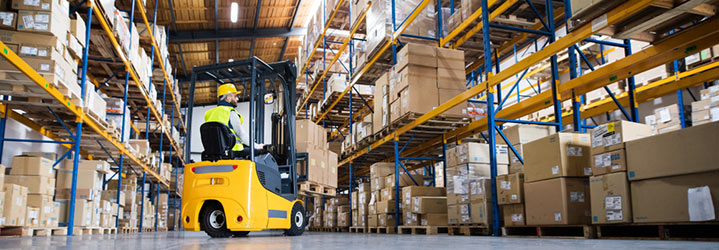
1. Forklifts
Forklifts are involved in many serious warehouse incidents each year. Pedestrian strikes, tip-overs, unstable loads, and improper operation can all result in severe injuries.
OSHA requires forklift operators to receive formal instruction, practical training, and an evaluation before operating powered industrial trucks. Operators also need refresher training when required by OSHA and performance evaluations at least once every three years.
If your employees operate forklifts, pallet jacks, reach trucks, or order pickers, professional forklift training should be part of your warehouse safety program.
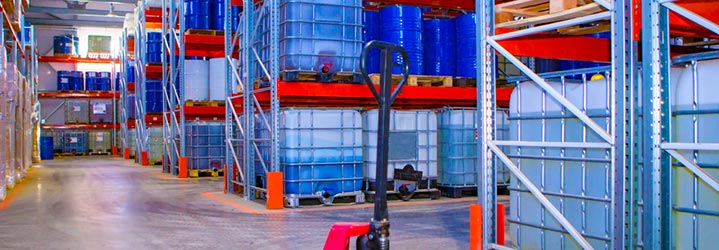
2. Material Storage
Improper material storage can create falling object hazards, unstable pallet loads, blocked exits, and damaged racking systems. Warehouses should inspect pallet racks regularly, follow load capacity limits, and store materials in a way that prevents shifting or collapse. Employees should also receive training on safe material handling procedures and proper stacking techniques. Have a look at our flammable liquid storage rules.
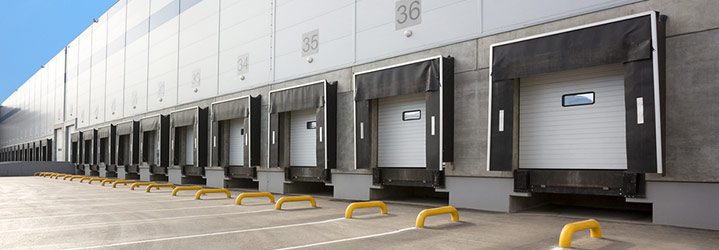
3. Loading Docks
Loading docks present hazards for both pedestrians and equipment operators. Falls from dock edges, trailer separation, unsecured loads, and forklift traffic all contribute to warehouse injuries.
Safe loading dock operations include trailer restraints, dock plates in good condition, vehicle communication procedures, pedestrian controls, and routine equipment inspections. Read more on loading dock safety.

4. Hazard Communication
Many warehouses store paints, solvents, cleaners, flammable liquids, batteries, or other hazardous chemicals. Employees who work with these materials must understand the hazards and know how to protect themselves.
A Hazard Communication program should include current Safety Data Sheets (SDS), proper container labeling, employee training, and procedures for storing, handling, and responding to chemical spills.

5. Lifting & Ergonomics
It’s necessary to monitor and manage the lifting and transportation of warehouse materials. Assess the work environment and employees’ posture as they carry out routine tasks. Lifting aids, transportation devices, poles, and platforms may be in order. Keeping your workers active with stretches can be beneficial, too. For more information, read our full article about ergonomics best practices.
Warehouse Safety Checklist
A warehouse safety checklist helps supervisors identify hazards before they lead to injuries, equipment damage, or OSHA violations. While every facility has unique risks, routine inspections should be part of your warehouse safety program and performed consistently.
Your warehouse safety checklist may include items such as:
- Forklifts inspected before each shift
- Aisles, exits, and walkways free of obstructions
- Pallet racks inspected for damage or overloading
- Materials stored safely and securely
- Loading docks free of slip, trip, and fall hazards
- Employees wearing required personal protective equipment (PPE)
- Fire extinguishers, eyewash stations, and emergency exits accessible
- Safety Data Sheets (SDS) available for hazardous chemicals
- Battery charging stations maintained according to safety procedures
- Damaged equipment removed from service until repaired
A checklist alone cannot prevent incidents, but regular inspections combined with employee training and prompt corrective action can help reduce risk throughout your warehouse.
Need help developing a warehouse safety program? Safety by Design’s safety management consultants can evaluate your facility, identify workplace hazards, and develop warehouse safety procedures, inspection programs, and employee training that align with OSHA requirements.
Contact Safety By Design for Warehouse Safety Training
Investing in the safety of your employees is an investment in the longevity and success of your business. Don’t hesitate to call Safety By Design for safety consulting services, and take the first step towards a safer, healthier, and more productive work environment.
Contact Safety by Design today.
Thank you for visiting our website! We appreciate your interest in workplace safety. Please note that Safety by Design is not affiliated with OSHA. However, we can assist you with the following OSHA-related services:
- OSHA Mock Inspection
- OSHA Training
- Facilitate OSHA Inspections and Citations
If you need to file a complaint with OSHA, please call 800-321-6742 (OSHA) or visit this page for other methods to contact them.