
A fall can happen during a familiar task, especially when a work area or piece of equipment changes. These working at heights safety tips cover the checks employers and crews should make before work begins, from identifying fall hazards to inspecting equipment and planning for rescue.
Hazards Associated with Working at Heights
When working from heights, falling is the most obvious safety hazard. Secondary hazards also include suspension trauma after a fall, dropped-object strike zones below elevated work, weather related surface conditions and delayed rescue following a fall arrest event. But even a dropped tool or piece of equipment can cause severe injury or even death. A fall from a sufficient drop will render that tool unusable, costing the company money in unnecessary repairs.
If workers lack confidence when working from ladders or other fall protection equipment, it can lead to sloppy, rushed work. However, with proper working-at-heights training, your workers can gain the confidence to stay on task.
The BLS has reported that in 2023, there were over 400 deaths due to fatal falls. In fact, falls are among the OSHA fatal four when it comes to work place fatalities.
The following workers/industries have the highest fatal falls overall:
- Roofers
- Electrical power-line installers and repairers
- Structural iron and steelworkers
How High is Working at Height?
Working at height means working where a person could fall to a lower surface. The height at which OSHA requires fall protection depends on the industry and the task. In many general industry settings, the threshold is 4 feet; for most construction work, it is 6 feet. Protection may be required at lower heights when workers are exposed to other hazards.
Roofs and raised platforms are common examples, but crews also need to assess the risks when using ladders. Check the rules that apply to the work before deciding what protection is needed.
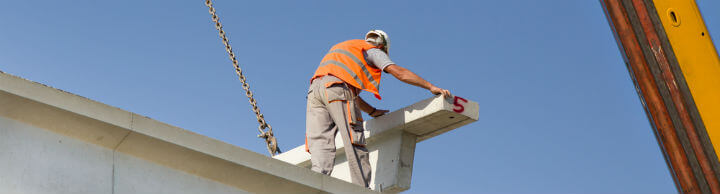
Is Working at Heights a Safety Hazard?
Yes. An unprotected edge, an unstable work surface, or a dropped object can put workers at risk. Identify these hazards before the task begins and review them again if conditions change. Safety By Design’s risk assessment consultants can help teams assess work areas and select appropriate controls.
What is a Height Work Permit?
A Height Work Permit is a document that helps to administratively control the safety of workers as they work at height. The permit should include a working at height checklist. This checklist can consist of PPE inspection, OSHA fall protection training, and acknowledgment of regulations.
A supervisor can use the checklist to confirm that the work area, equipment, training, and rescue arrangements have been reviewed before the task starts. OSHA does not generally require a document called a height work permit. A permit is an administrative tool and does not replace the fall protection required for the work.
When is Fall Protection Safety Equipment Required?
OSHA’s fall protection thresholds vary by industry. Common thresholds are:
- 4 feet for general industry work
- 5 feet for shipyards
- 6 feet for construction job sites
- 8 feet for longshoring operations
These are general thresholds, not a substitute for checking the rule that applies to a specific task. Some hazards require protection below these heights.

Do My Employees Need Working at Heights Safety Training?
The short answer to this question is yes. Many employees are unaware of the dangers they are working around. The familiarity with the workspace and tasks can hinder their awareness and lead to accidents.
Employers should proactively inform workers exactly how to do their jobs in the safest way possible. This includes fall protection training in how to adequately use and test safety equipment.
Top 10 Working at Heights Safety Precautions
These ten precautions address different parts of a fall protection plan. Start by removing the need to work at height when possible, then consider other controls suited to the task. A job safety analysis can help crews identify hazards and choose controls before work begins.
Hierarchy of Fall Protection Controls
| Control Level | Description | Examples |
|---|---|---|
| 1. Elimination | Remove the need to work at height. | Use extendable tools; relocate tasks to ground level. |
| 2. Substitution | Replace the hazard with a safer alternative. | Use drones for inspections instead of manual checks at height. |
| 3. Engineering Controls | Isolate people from the hazard. | Install guardrails, scaffolding, or aerial lifts. |
| 4. Administrative Controls | Change the way people work. | Implement safety training, signage, and supervision. |
| 5. Personal Protective Equipment (PPE) | Protect the worker with proper equipment. | Provide fall protection gear: harnesses, lanyards, and helmets. |
1. Perform a Job Safety Analysis
Job safety analysis simply means that you’ll break down the entire job (or the entire construction site) into individual tasks. Don’t be afraid to be too detailed.
Once you catalog the individual tasks, highlight any areas of concern. For instance, if a job requires a lot of work to be performed at height, you might be particularly concerned about providing working from heights training for your workforce.
2. Identify Potential Fall Hazards
Every worker should be on the lookout for potential hazards in their work area. One of the ways to improve fall protection safety is to teach your personnel to identify potential risks, so you can take measures to eliminate minor problems before they become larger issues.
3. Enforce All Safety Rules
Managers should enforce all safety precautions while working at height and should also resist the temptation to ease off on enforcing them as time goes on. Familiarity does not make the dangers go away, and discipline in enforcing the rules is best for everyone in the end.
4. Provide Proper (And Inspected) PPE
Managers should provide PPE when the situation requires it. However, it isn’t enough to provide fall protection safety equipment. Workers should be trained in how to use it and how to inspect it continually.
Eye and face protection is only useful when it functions properly, so employers should do everything within their power to ensure it will. Inspections should be thorough and frequent. An excellent way to establish this is to include inspection in your company’s Height Work Permit, discussed above.
5. Accurately Calculate Fall Distances
Before using a personal fall arrest system, confirm there is enough clearance below the worker to prevent contact with the ground or a lower surface. Account for the anchor location, lanyard or lifeline length, deceleration distance, harness movement, and the worker’s height. Follow the equipment manufacturer’s instructions and have a qualified person review the setup when needed. A harness cannot protect someone if the system allows them to strike a lower surface.
6. Add Guard Rails When Possible
Guard rails are an excellent option for protecting employees working at height. This precaution allows workers to be passively safe. They may even be safe working at height without a harness.
It can be helpful to avoid adding steps to their work process like managing and inspecting extra equipment. Instead, workers can simply stay within the railing.
Workers will have to set up those guard rails, so make sure those workers have been trained and given proper PPE for the task.
7. Use Ladders Correctly
Ladders can be a significant safety hazard when misused. When using a ladder, always remember three things:
- Extend the ladder 3 feet past the level to which you’re climbing
- For every 4 feet that the ladder rises, place it one foot from the structure
- Maintain three points of contact (e.g., one hand, two feet) at all times
Given the hazards associated with working at height, OSHA ladder safety training might be among your priorities when offering workplace safety tips and refresher training.
8. Determine Proper Anchor Points
Do not assume a beam or other solid-looking structure is an acceptable anchor. An anchorage for a personal fall arrest system must meet the applicable strength or design requirements and be selected as part of the complete system. Have a qualified person assess the anchorage when required, especially if the connection point was not designed for fall protection.
9. Regularly Inspect Equipment
Perform regular inspections to ensure that your equipment is working correctly. This inspection is especially important for equipment that raises workers to a height, such as ladders, cherry pickers, or other machinery.
10. Keep Up with Training
Employees should provide continual working at heights safety training, especially as new workers join the project or the workspace changes. This may be official, like a fall protection training session or something as casual as daily reminders on the job.
Safety By Design Offers Reliable Working at Heights Training
Do all these fall protection safety tips seem a bit daunting? Is it difficult to imagine where you’ll find the time to manage it all? You can start with our working at height course, a section of our Houston safety training program. Our fall protection course will teach you about safety while working at height and so much more. We have spent years building our knowledge and expertise in the field of safety.
Contact our team today to start building a safer workspace!
Tags: fall protection, safety training, workplace safety


